

SD-50 Hand Test Pump (Hydrostatic Pressure Test Pump) – 50 Bar Manual Pressure Testing for Pipes, Plumbing, Leak Checks, Water & Compatible Oil Systems
₵1,050.00
Out of stock
Description
SD-50 Hand Test Pump – 50 Bar Manual Pressure Tester for Pipes, Plumbing, Leak Detection, Water & Oil Systems
The SD-50 Hand Test Pump is a manual hydrostatic pressure test pump designed for pressure testing pipes, plumbing installations, valves, fittings and other compatible closed systems. It can generate test pressures of up to 50 bar / 5 MPa / approximately 725 PSI, allowing plumbers, technicians, contractors and maintenance teams to check whether an installation can safely hold its specified test pressure and identify possible leaks before commissioning.
Also commonly called a manual pressure test pump, hand pressure test pump, plumbing pressure test pump, hydrostatic testing pump or pipe testing pump, the SD-50 operates manually and requires no electricity or battery. Its integrated reservoir, long operating lever, analogue pressure gauge and dual control valves make it a practical option for workshop, construction site, maintenance and field testing applications.
What Is the SD-50 Hand Test Pump?
A hand test pump is not primarily designed for transferring water from one location to another.
Its purpose is to introduce controlled hydraulic pressure into a closed system so that the operator can determine whether that system maintains pressure correctly.
A typical test involves:
- Filling the pipe or installation with an approved test liquid.
- Removing trapped air from the system.
- Connecting the SD-50 pressure test pump.
- Operating the hand lever to gradually increase pressure.
- Monitoring the built-in pressure gauge.
- Isolating the test pressure.
- Checking whether the pressure remains stable for the required testing period.
- Inspecting pipes, joints, fittings and valves for leakage.
If pressure falls beyond the permitted limit, this may indicate a leaking fitting, loose connection, damaged pipe, defective seal, leaking valve or another point where pressure is escaping.
This makes the SD-50 particularly useful for plumbing leak testing, commissioning new installations, maintenance work and pressure integrity checks.
Key Specifications
- Product Type: Hand Test Pump / Manual Pressure Test Pump
- Model: SD-50
- Maximum Pressure: 50 bar
- Maximum Pressure in MPa: 5 MPa
- Approximate Pressure in PSI: 725 PSI
- Maximum Test Fluid Temperature: 50°C / 120°F
- Compatible Test Fluids Indicated on Unit: Water and compatible oil
- Operation: Manual hand lever
- Pressure Monitoring: Built-in analogue pressure gauge
- Pressure Control: Dual-valve system using V1 and V2
- Testing Method: Manual hydrostatic pressure testing
Published specifications for this general SD-50 configuration may also indicate approximately:
- Pumping Volume: 45 mL per stroke
- Reservoir Capacity: 12 litres
- Approximate Dimensions: 49.5 × 18 × 30 cm
- Approximate Net Weight: 8.5 kg
Where specifications differ between SD-50 manufacturers or production batches, the information printed on the actual supplied unit should be treated as the primary reference.
Maximum 50 Bar Pressure Testing Capacity
One of the major advantages of the SD-50 is its ability to develop pressure up to 50 bar or 5 MPa.
For comparison:
50 bar ≈ 5 MPa ≈ 5,000 kPa ≈ 725 PSI.
This gives the pump enough capability for a wide variety of professional pressure-testing applications.
However, 50 bar is the maximum capability of the pump. It does not mean every system should be tested at 50 bar.
The correct test pressure must always be determined by factors such as:
- Pipe pressure rating
- Valve rating
- Fitting specifications
- Equipment manufacturer recommendations
- Project engineering requirements
- Applicable testing procedures
- Maximum allowable working or test pressure of the weakest component
A plumbing system designed for considerably lower pressure should never be taken to 50 bar simply because the pump is capable of producing it.
Manual Operation – No Electricity Required
The SD-50 is a manual pressure test pump, making it useful on construction sites and maintenance jobs where electrical power may be unavailable, inconvenient or unnecessary.
The long lever handle provides mechanical advantage. Each pumping stroke moves a controlled quantity of test liquid into the closed system, gradually increasing pressure.
This manual operation gives technicians direct control over the pressure-building process and makes the pump suitable for both site work and workshop testing.
There is no electric motor, battery or charging system to depend on during normal operation.
Built-In Pressure Gauge
The integrated analogue pressure gauge allows the operator to monitor the pressure being generated during the test.
The gauge is essential because hydrostatic testing is not simply about pumping liquid into a system. The operator needs to know:
- The pressure currently being applied
- Whether the required test pressure has been reached
- Whether the pressure remains stable
- Whether a noticeable pressure drop occurs during the holding period
A falling gauge reading may be an indication that the system needs further inspection.
The acceptable pressure loss, if any, should always be determined by the applicable test specification rather than guesswork.
Dual V1 and V2 Control Valves
The SD-50 uses a dual-valve arrangement identified as V1 and V2.
These valves help the operator control the different stages of pressure testing, including building, isolating, holding and releasing pressure.
According to the operating sequence indicated on the unit, the basic procedure is:
- Connect the test pump to the system and close V2.
- Fill the system with test liquid and remove trapped air.
- Secure all relevant openings.
- Operate the pump until the required test pressure is reached.
- Close V1 to isolate the pressure as required.
- Monitor the system for the specified testing period.
- After testing, open V1 and V2 to safely release pressure.
Operators should follow the instructions supplied with the actual unit and the testing procedure applicable to the installation.
Integrated Test Fluid Reservoir
The rectangular tank forms the pump’s integrated fluid reservoir.
This self-contained configuration means the operator can keep the approved test fluid directly within the unit rather than relying on a separate pumping arrangement.
For most ordinary hydrostatic plumbing applications, clean water is typically the straightforward test medium where permitted.
The unit also indicates compatibility with oil for applications where an appropriate oil-based test medium is required.
Fluid selection should always take into account:
- System compatibility
- Seal compatibility
- Contamination concerns
- Manufacturer recommendations
- The relevant testing procedure
Oil should not be introduced into systems where oil contamination would create operational or hygiene problems.
What Can the SD-50 Pressure Test Pump Be Used For?
The SD-50 is suitable for a broad range of pressure-testing applications where its pressure range and test-fluid compatibility are appropriate.
Common applications include:
- Water supply pipe testing
- Plumbing installation testing
- Newly installed pipeline testing
- Pipe repair verification
- Leak detection
- Valve pressure checks
- Fitting and joint testing
- Heating system pressure testing
- Radiator installation testing
- Fire sprinkler pipework testing
- Firefighting water-line testing
- Boiler-related pipework testing where compatible
- Hydraulic system testing where applicable
- Compatible oil-line pressure testing
- Maintenance and commissioning work
It can therefore serve plumbers, plumbing companies, MEP contractors, facility maintenance teams, mechanical technicians and other professionals who need a high pressure test pump for controlled system testing.
Applications in Ghana
For Ghanaian contractors and technicians, a reliable pressure test pump for water and plumbing systems can be useful across residential, commercial and industrial projects.
Residential Plumbing
The SD-50 can help plumbers test newly installed or repaired water lines before walls, ceilings or service areas are permanently closed.
Finding a leaking joint before final finishing can prevent costly rework later.
Commercial Buildings
Hotels, offices, schools, hospitals, apartment developments, shopping facilities and other commercial buildings often contain extensive plumbing networks.
Pressure testing helps verify sections of an installation before commissioning.
Construction Projects
Plumbing and MEP contractors can use a Hydrostatic Pipe Testing Pump during installation, repair and handover stages.
Manufacturing and Industrial Facilities
Where compatible liquid-filled pipework, valves or fittings require pressure integrity testing within the pump’s capabilities, the SD-50 can provide a portable manual testing solution.
Fire Protection Installations
The pump may be used for compatible fire sprinkler or firefighting water pipework where manual hydrostatic testing is appropriate and the applicable system test procedure is followed.
Agriculture
Agricultural facilities using pressurised water-distribution systems or irrigation-related pipework may use pressure testing during installation or maintenance where applicable.
Warehouses and Facilities Management
Maintenance personnel can use a plumbing pressure test pump when checking repaired water lines, mechanical services and compatible pressure systems.
Oil-Compatible Systems
The unit indicates suitability for water and compatible oil test media. For oil-related testing, operators must ensure the system, seals and required testing procedure permit the selected fluid.
Why Removing Air Is Important
Before substantial hydrostatic pressure is applied, trapped air should be removed from the system.
Water and similar liquids are only slightly compressible, while air is highly compressible.
If large quantities of air remain trapped inside a system, that air can store significant energy as pressure increases. A sudden fitting, pipe or component failure can therefore become more hazardous.
A proper hydrostatic testing procedure generally involves filling the system with the approved liquid and bleeding trapped air before raising the pressure.
Do not treat air removal as an optional step.
Example of a Typical Pressure Test
Suppose a plumber has completed a new water-line installation.
The applicable manufacturer specification or project procedure determines the required test pressure and holding period.
The technician would generally:
- Fill the pipe completely with water.
- Remove trapped air.
- Connect the SD-50 hand pressure test pump.
- Confirm that connections are secure.
- Pump gradually until the specified test pressure is reached.
- Isolate the pressure as required.
- Monitor the pressure gauge.
- Inspect joints, valves and fittings.
- Record the result where project documentation requires it.
- Release pressure safely after completion.
If the pressure remains within the permitted range and no leaks are detected, the installation may pass that stage of testing.
The pump’s 50-bar maximum must never be substituted for the actual specified test pressure.
Key Benefits
Up to 50 Bar / 725 PSI
Provides substantial pressure capability for a wide range of professional testing tasks.
Completely Manual
No electricity, charging or battery is required.
Direct Pressure Monitoring
The built-in analogue gauge allows the operator to monitor pressure during testing.
Dual-Valve Pressure Control
The V1 and V2 valve arrangement supports controlled pressurisation, isolation and pressure release.
Portable Design
Suitable for moving between plumbing jobs, construction sites, workshops and maintenance locations.
Integrated Reservoir
Keeps the test liquid available within the pump assembly.
Long Lever Handle
Provides mechanical leverage when developing pressure.
Suitable for Water and Compatible Oil
Offers flexibility for different approved test procedures.
Helps Detect Problems Before Commissioning
Pressure testing can reveal leakage or pressure-loss problems before a system enters normal service.
Common Mistakes to Avoid
Testing Everything at 50 Bar
Do not assume the maximum pump pressure is the correct testing pressure.
Always use the pressure specified for the system being tested.
Leaving Excess Air in the System
Bleed trapped air before significant pressurisation.
Exceeding Component Ratings
A system is only as pressure-resistant as its lowest-rated component.
Using the Wrong Test Fluid
Only use fluids compatible with the pump, system, seals and test procedure.
Ignoring Pressure Drops
A noticeable pressure drop should be investigated rather than automatically dismissed.
Using the Pump as a Normal Water Transfer Pump
The SD-50 is primarily a pressure testing tool, not a general-purpose water transfer pump.
Opening Connections While Pressurised
Pressure should be safely released before disconnecting hoses or opening the test system.
Manual vs Electric Hydrostatic Test Pumps
A manual pressure test pump such as the SD-50 is particularly attractive when portability, simplicity and independence from electricity are important.
An electric hydrostatic testing pump may be more appropriate where users regularly need to:
- Fill very large systems
- Conduct high-volume repetitive testing
- Build test pressure more quickly
- Automate parts of the testing process
For plumbing contractors, maintenance teams and many general field-testing applications, a manual pump can provide a simpler and more economical solution.
The right choice depends on system volume, required pressure, testing frequency and job-site conditions.
What Should You Consider Before Buying?
When looking for a pressure test pump for sale in Ghana, consider:
- Maximum required test pressure
- Type of pipe or equipment being tested
- Test fluid to be used
- Required reservoir size
- Manual versus electric operation
- Portability
- Pressure gauge visibility
- Hose and connection requirements
- Availability of spare parts and maintenance support
- Frequency of use
For occasional or regular manual plumbing pressure testing up to 50 bar, the SD-50 offers a practical balance of pressure capability, portability and straightforward operation.
Maintenance
Regular maintenance helps keep the hand test pump operating smoothly.
Basic care includes:
- Keeping the reservoir clean
- Preventing dirt from entering the pump mechanism
- Inspecting the hose and fittings before use
- Checking for damaged seals or leakage
- Keeping the pressure gauge protected from impact
- Releasing pressure completely after testing
- Cleaning the pump after use where appropriate
- Using suitable water-resistant grease for servicing as indicated on the unit
Do not continue using visibly damaged high-pressure components.
Frequently Asked Questions
What is a hand test pump?
A hand test pump is a manually operated pump used to introduce hydraulic pressure into a closed system so the system can be checked for leaks and pressure integrity.
Is the SD-50 a hydrostatic test pump?
Yes. It can be used as a manual hydrostatic test pump where an appropriate liquid is used to pressurise a closed system.
What pressure can the SD-50 produce?
The SD-50 is rated up to 50 bar / 5 MPa / approximately 725 PSI.
Can I test every pipe at 50 bar?
No. The correct test pressure depends on the pipe, valves, fittings, equipment and applicable test procedure.
Can it be used with water?
Yes. Water is one of the test fluids indicated for the unit and is commonly used for hydrostatic testing where appropriate.
Can it be used with oil?
The unit also indicates compatible oil testing. Confirm that the oil is suitable for the pump, system, seals and intended procedure.
Can it pump gas?
Its intended role is hydraulic pressure testing using an approved liquid medium. A pipeline that will eventually carry gas may sometimes be hydrostatically tested, but that does not make the SD-50 a general compressed-gas pump.
Does it require electricity?
No. It operates manually using the long hand lever.
Can it detect plumbing leaks?
It helps technicians identify whether a closed installation is losing pressure. The operator can then inspect joints, valves, fittings and other potential leak points.
Who should use it?
It is particularly suitable for plumbers, contractors, installers, maintenance personnel, mechanical technicians and other trained users performing pressure-testing work.
Buy the SD-50 Hand Test Pump in Ghana from CETECH Ghana
CETECH Ghana supplies the SD-50 Hand Test Pump and pressure-testing solutions in Ghana for plumbers, contractors, technicians, businesses, institutions and commercial or industrial buyers.
Customers can contact CETECH Ghana for:
- Individual purchases
- Online ordering
- Offline purchase and collection
- Bulk supply enquiries
- Contractor and business supply
- Industrial sourcing support
- Product selection assistance
- Related plumbing and technical products
- Procurement support for larger projects
For customers comparing a hand test pump, manual pressure test pump, pressure test pump for water, plumbing pressure test pump or hydrostatic testing pump in Ghana, the SD-50 provides a practical professional solution with up to 50 bar of manually controlled testing pressure.
Quick Summary
The SD-50 Hand Test Pump is suitable if you need:
- A manual hydrostatic pressure test pump
- Up to 50 bar / 5 MPa / 725 PSI
- Pressure testing for pipes and plumbing systems
- Leak and pressure-integrity checking
- Water or compatible oil as the approved test medium
- Manual operation without electricity
- A built-in pressure gauge
- Dual pressure-control valves
- An integrated test-fluid reservoir
- A portable solution for construction, plumbing and maintenance work
For safe and effective results, always use the correct test pressure for the system, remove trapped air, use an approved test fluid and follow the applicable manufacturer or engineering testing procedure.
Condense this into a stronger product pageAdd a clear specifications table
Additional Information
| Weight | 0.00 kg |
|---|---|
| Dimensions | 0.00 × 0.00 × 0.00 cm |
Related products

T QA Beta Test Product
In stock
Price range: ₵200.00 through ₵205.00
Buy Now
Blue Moon
Bright Chrome
Champagne
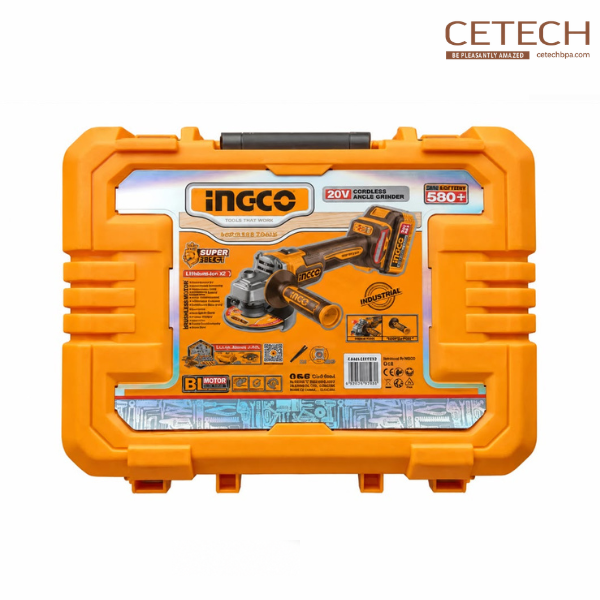
INGCO 20V Cordless Angle Grinder 115mm (4-1/2″) with 4.0Ah Battery – Brushless Power for Workshop and Construction Use
Out of stock
Price range: ₵1,630.00 through ₵1,860.00
Buy Now
SKU:
ingco-cordless-angle-grinder-20v-115mm
Ben – INGCO Cordless Angle Grinder 20V 115mm
In stock
Price range: ₵1,630.00 through ₵1,860.00
Buy Now
SKU:
ingco-cordless-angle-grinder-20v-115mm-1-1